
Quote Stories
A Lantern for the Last Lap
Sefu discovers that finishing together can change the race.
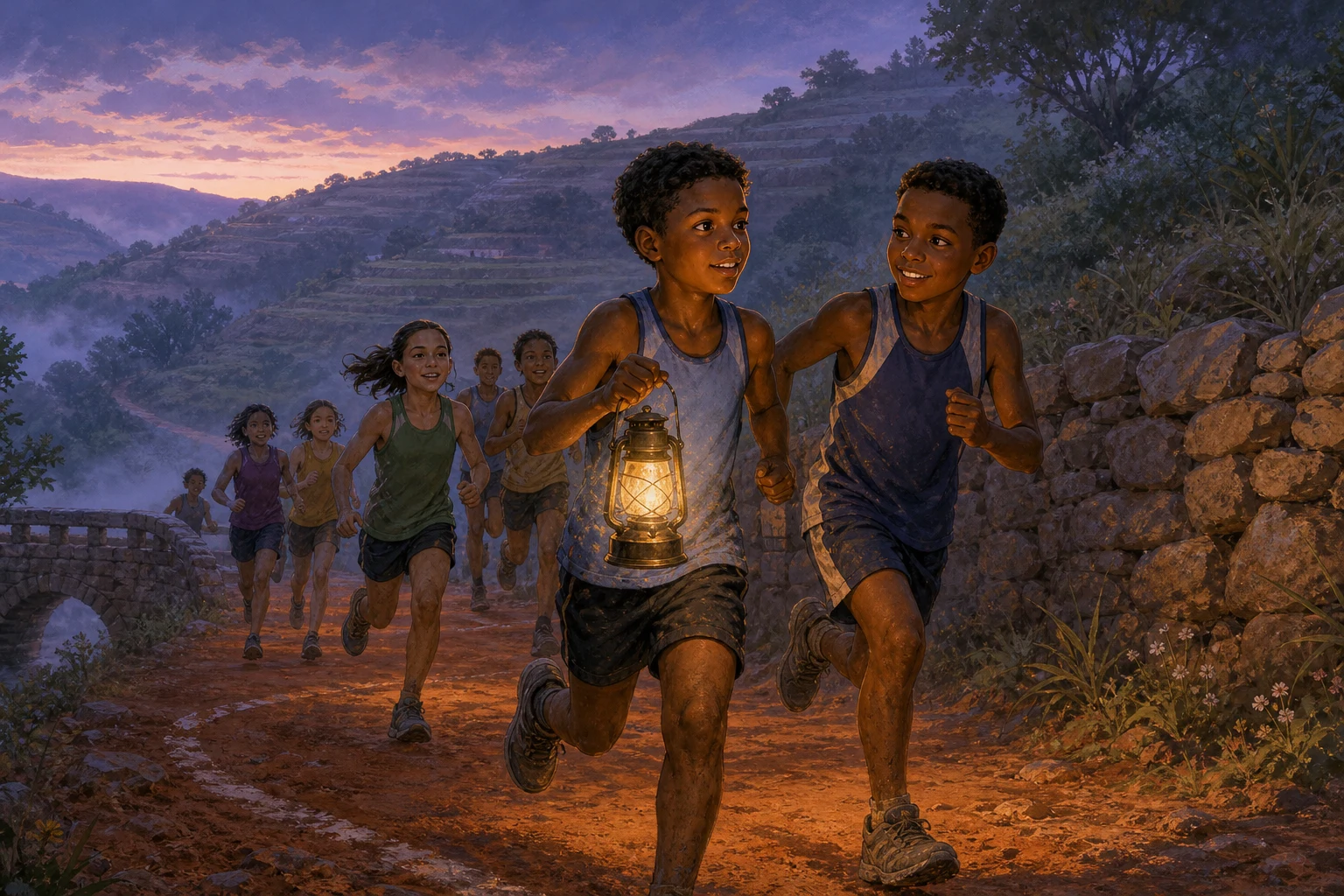
Sefu was halfway around the track when the last spectator folded a chair and left.
He heard the scrape of metal behind him, then the school gate creak shut. The evening race was over for everyone except Sefu, whose red shoes kept tapping the packed earth.
At the finish line, Coach Mako checked the stopwatch.
“Again,” he said. “You ran steadily.”
Sefu looked toward the empty benches. “Steadily doesn’t win.”
Coach Mako sighed. He was new to the upland school district and still wore shoes too clean for its red-earth paths. “Perhaps racing isn’t your event.”
That sentence followed Sefu home through the mist.
The next afternoon, he found a dented brass lantern in his grandmother’s shed. Its glass was cloudy, and one hinge squeaked. He cleaned it, filled it with oil, and carried it to practice.
Coach Mako raised an eyebrow. “Planning to outrun the darkness?”
“No,” Sefu said. “I’m planning to see where it goes.”
The track curved behind the classrooms, past a low stone wall and a narrow footbridge. In daylight, its uneven edges were easy to spot. At dusk, they vanished beneath the fog.
During warm-ups, Sefu noticed Amina slow near the bridge. She had twisted her ankle there the week before. Behind her, two younger runners stepped into a shallow rut and stumbled.
Sefu lifted the lantern.
“Put it here,” Amina said.
He did. The light spread across the stones, small but sufficient. The runners passed safely.
The following evening, Sefu arrived with the lantern again. This time, Amina brought a spool of bright thread and tied markers along the worst patches. Kito, who could sprint faster than anyone, offered to carry the lantern for the first lap.
“I’m not volunteering for the slow lap,” he warned.
“You don’t have to,” Sefu said. “You can volunteer for the dark one.”
Kito grinned. “That sounds more impressive.”
Soon the runners made a new routine. One person carried the lantern. Another ran beside whoever needed a steady pace. Nobody was allowed to disappear around the bend alone.
At first, the arrangement irritated Sefu. When he paced little Nali, his time was nearly a minute slower. When he carried the lantern, he had to watch the ground instead of the runners ahead.
Then Nali began counting her breaths aloud. Kito learned that Amina could finish strongly if nobody shouted at her too early. Sefu discovered that the track sounded different when he listened for another runner’s footsteps.
The district meet arrived beneath a bright, cold sky. Buses brought teams from the terraced valleys and the far side of the ridge. Families filled the benches. Brass whistles shrilled. The track seemed smaller with so many eyes upon it.
Sefu entered the long race. He promised himself he would run as hard as he could.
For three laps, he did.
On the fourth, a runner from another school caught his shoulder. Sefu tried to follow, but his legs tightened. Ahead, Kito stumbled at the stone wall and fell to one knee. The crowd gasped.
Sefu stopped.
For a moment, the old hunger returned: keep going, keep your place, finish before the cheering ends.
Then he saw Kito’s hand searching for balance.
Sefu turned back.
“Up,” he said. “We’ve got one lap.”
Kito shook his head. “You’ll lose.”
“Then run with me.”
They moved together. Amina, who had finished her own race, shouted from beside the track. Nali joined the cheering. One by one, runners from Sefu’s school called out—not for speed, but for steadiness.
Sefu crossed the finish line well after the winner. His chest burned. His knees trembled. Yet the sound waiting for him was larger than any applause he had imagined winning.
That evening, the coaches gathered beside the track. Coach Mako held the dented lantern by its wire handle.
“The final lap should never belong only to the fastest,” he said. “From the next meet, every runner gets a companion.”
Sefu looked at the cloudy glass. It had not made him quicker. It had shown him where to place his feet—and whom to wait for.
When practice ended, he carried the lantern toward the school gate. Behind him came the others, footsteps tapping through the fog, close enough to be heard and bright enough to be seen.
Related Quote Stories
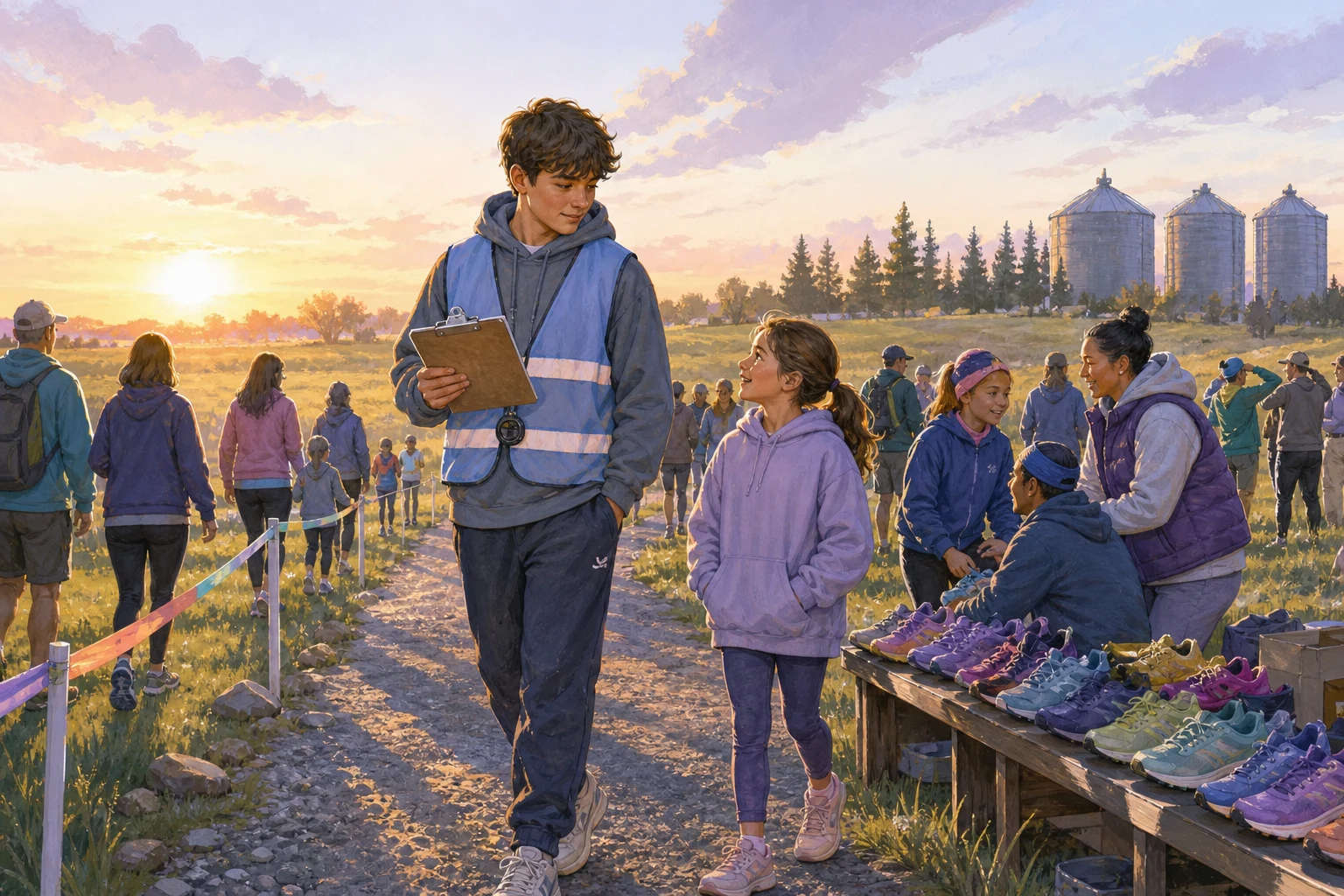
Before the Whistle, Joren Changed the Course
Joren knew every rule of the Prairie Loop, including the one about proper footwear. He did not yet know what to do when following it kept people from entering.
Read Story →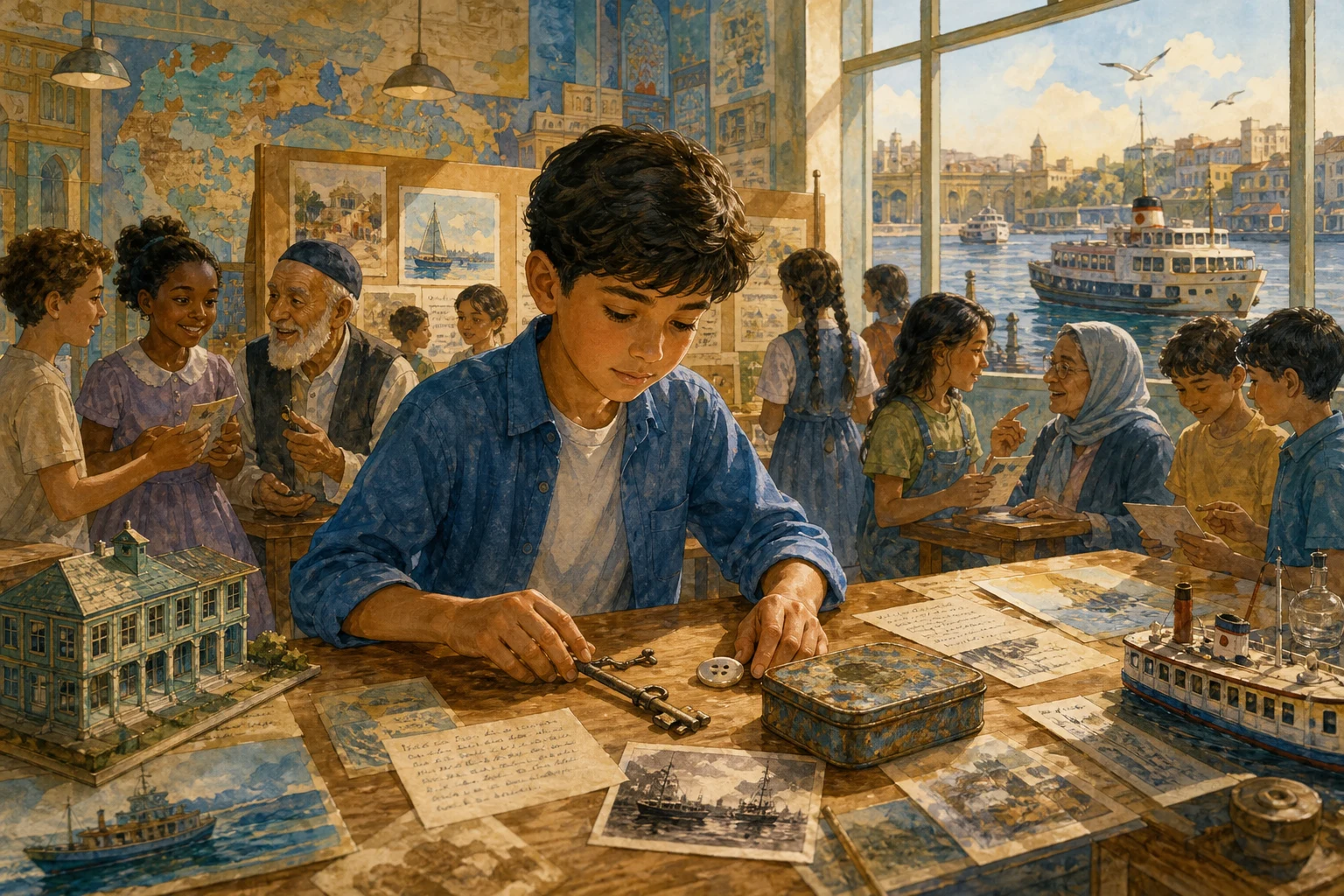
What the Key Could Not Open
Eren could make a bent key unlock a vanished palace, but his grandmother asked a harder question: who had actually held it?
Read Story →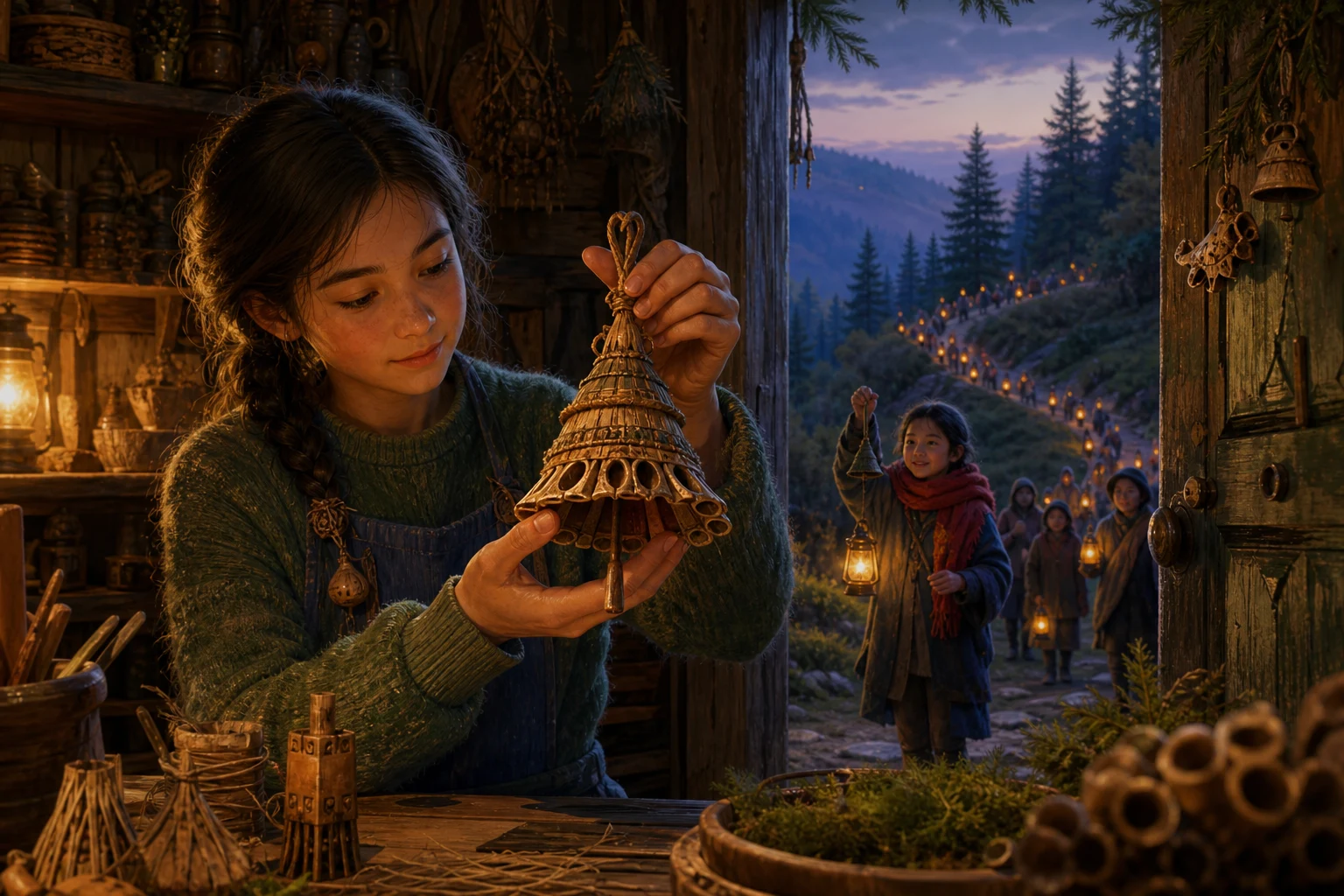
A Bell Made of Many Quiet Things
Toma wanted the guild prize for the loudest bell. Then one child’s empty place at rehearsal made him listen differently.
Read Story →